
Beyond the Checklist: Building Health and Wellness That Lasts

What “Health and Wellness” Really Means
Health is often defined as the absence of disease, but wellness is broader: it’s the ongoing practice of supporting your physical, mental, and social well-being. In real life, wellness looks less like a perfect routine and more like a flexible system—habits you can return to even when life gets busy. When people feel stuck, it’s usually because they’re chasing an all-or-nothing ideal rather than building a foundation that can adapt.
A helpful way to think about wellness is as a set of interconnected pillars. Improving one area—like sleep—often makes everything else easier, from appetite regulation to mood stability to workout consistency. The goal isn’t “doing everything,” but choosing the small actions with the biggest ripple effects.
The Core Pillars of Sustainable Wellness
1) Nourishment: Eat to Support Energy and Stability
Nutrition doesn’t have to be complicated to be effective. Most people benefit from focusing on regular meals, adequate protein, and plenty of fiber-rich plants. Instead of labeling foods as “good” or “bad,” aim for patterns that support stable energy, digestion, and satiety.
- Prioritize protein at meals (e.g., eggs, yogurt, beans, fish, tofu, lean meats) to support muscle, fullness, and recovery.
- Increase fiber with vegetables, fruit, legumes, and whole grains to support gut health and more stable blood sugar.
- Include healthy fats (olive oil, nuts, seeds, avocado) to support hormones and satisfaction.
- Hydrate consistently; keep water accessible and pair it with electrolytes when sweating heavily.
A practical strategy is the “plate method”: half vegetables, a quarter protein, and a quarter quality carbohydrates, with a thumb-sized portion of fats as needed. This approach works across cuisines and reduces decision fatigue.
2) Movement: Train for Strength, Mobility, and Everyday Function
Exercise is often framed as a tool for weight control, but its strongest benefits are broader: improved cardiovascular health, better sleep, stronger bones, sharper cognition, and more resilient mood. The most effective plan is the one you can repeat consistently, even in a busy week.
- Strength training 2–3 times per week supports muscle, bone density, posture, and metabolic health.
- Low-to-moderate cardio (walking, cycling, swimming) improves heart health and stress regulation.
- Mobility and balance (stretching, yoga, tai chi) help reduce injury risk and maintain joint function.
If you’re starting from scratch, begin with daily walks and two short, full-body strength sessions per week. Small, repeatable workouts beat ambitious plans that collapse after two weeks.
3) Sleep: The Hidden Multiplier
Sleep is not a luxury; it’s the foundation for appetite regulation, immune function, learning, and emotional balance. When sleep quality improves, many other goals become easier—cravings often decrease, motivation improves, and recovery accelerates.
- Keep a consistent schedule, even on weekends, to support your circadian rhythm.
- Build a wind-down routine (dim lights, warm shower, reading) to cue the brain for rest.
- Reduce late-day stimulants like caffeine and high-intensity workouts close to bedtime.
- Optimize your environment: cool, dark, quiet, and comfortable.
When sleep is disrupted by stress, focus on what you can control: a predictable bedtime, morning light exposure, and calming pre-sleep rituals.
4) Stress and Mental Fitness: Train Your Nervous System
Stress is inevitable; chronic, unrelenting stress is the problem. Wellness includes learning how to downshift your nervous system and recover. This isn’t just “self-care” in the superficial sense—it’s a skill set that protects relationships, productivity, and physical health.
- Breathwork: a few minutes of slow, nasal breathing can reduce physiological arousal.
- Journaling: externalize worries and identify patterns that trigger overwhelm.
- Nature exposure: even short walks outdoors can improve mood and attention.
- Boundaries: limit “always-on” availability by setting clear work and screen windows.
If anxiety or low mood is persistent or impairing, professional support can be a powerful wellness intervention—just as physical therapy is for a chronic injury.
5) Connection and Environment: The Underrated Determinants
Humans are social beings, and connection influences health outcomes more than many people realize. Likewise, your environment—your kitchen setup, your commute, your digital life—can either support or sabotage your goals.
- Strengthen social ties by scheduling recurring check-ins, shared meals, or hobby groups.
- Design your space: keep healthy snacks visible, place workout gear where you’ll see it, and reduce friction for good habits.
- Shape your inputs: curate social media and news consumption to reduce chronic stress triggers.
When motivation is low, environment often matters more than willpower. Make the healthy choice the easy choice.
How to Build a Personal Wellness Plan That Sticks
Wellness is most sustainable when it’s specific, measurable, and forgiving. Start small and build gradually—your goal is consistency, not intensity.
- Pick one “keystone habit” (sleep schedule, daily walk, protein at breakfast) and practice it for 2–4 weeks.
- Use a minimum baseline: define the smallest version you’ll do on hard days (e.g., 10-minute walk).
- Track inputs, not just outcomes: focus on actions like meals cooked or workouts completed, not only weight or appearance.
- Plan for obstacles: identify your top two barriers (time, stress, travel) and pre-decide a workaround.
Progress tends to follow phases: learn the habit, stabilize it, then optimize it. Trying to optimize before stabilizing is a common trap.
Common Myths That Derail Wellness
- Myth: You need perfect discipline. Reality: you need a system that survives imperfect weeks.
- Myth: More intensity is always better. Reality: recovery and consistency drive long-term results.
- Myth: Wellness is expensive. Reality: walking, basic strength work, simple meals, and sleep hygiene are low-cost high-impact tools.
- Myth: Health is only physical. Reality: mental health, stress load, and relationships shape the body’s biology.
Putting It All Together
Health and wellness are best approached as a long game: small, repeated actions that compound. Choose habits that improve your daily experience—more stable energy, better mood, fewer aches, deeper sleep—and let those wins fuel the next step. When your plan supports your real life, you don’t have to rely on constant motivation. You build momentum, resilience, and a version of wellness that lasts.
Listings Related to the Article: Beyond the Checklist: Building Health and Wellness That Lasts
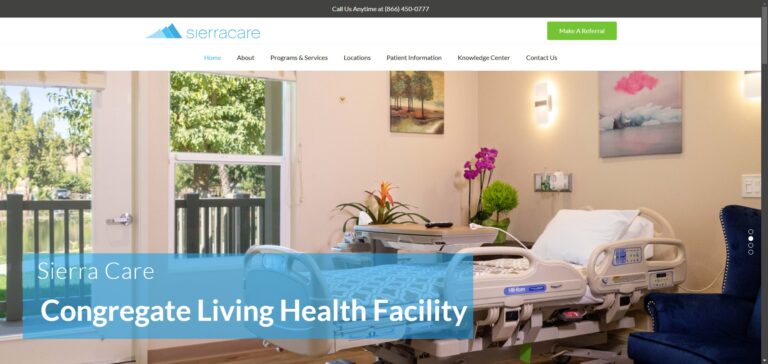
Sierra Care
Sierra Care is California’s leading 24-hour congregate living health facility (CLHF), specializing in subacute care for patients with spinal cord injuries, traumatic brain injuries, pulmonary disease, neuromuscular conditions, congenital conditions, and other medically complex conditions.
- Category
- Health and Wellness » Medicine
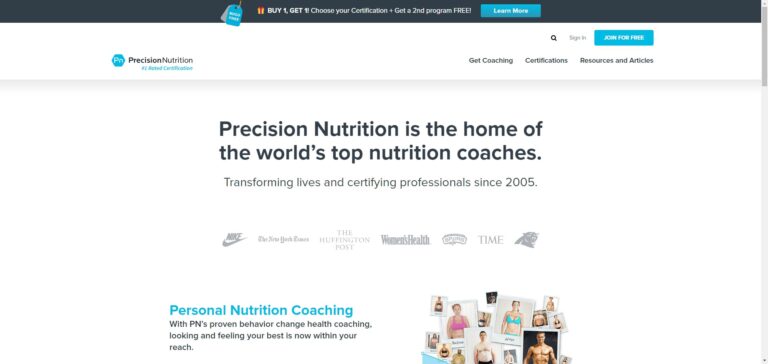
Precision Nutrition
Precision Nutrition focuses on providing evidence-based nutrition and fitness information. The website offers articles, guides, and resources to help individuals make informed choices about their diet and exercise routines. It also provides coaching programs for personalized health and fitness support.
- Category
- Health and Wellness » Nutrition
More Articles Like: Beyond the Checklist: Building Health and Wellness That Lasts

The Living Thread: Building a Home That Strengthens Family Life
Home and family shape each other every day through routines, spaces, and the way we handle conflict and care. This guide explores practical, human-centered ways to create a home environment that supports connection, responsibility, and belonging.

Signal, Spin, and Screens: Understanding News and Media in a Connected Age
News and media shape how societies understand events, choose leaders, and respond to crises. This article explains how modern news is produced, distributed, and consumed—and how to evaluate it with confidence.

Beyond the Textbook: How Education and Reference Shape Smarter Learning
Education and reference resources work together to turn curiosity into reliable knowledge. This article explores how to choose, evaluate, and use reference materials to learn efficiently in school, work, and everyday life.
