
Beyond the Textbook: How Education and Reference Shape What We Know

Education and Reference: A Practical Partnership
Education is often described as the process of learning, but in practice it is also a system for organizing knowledge: deciding what matters, how it should be taught, and how learners can demonstrate understanding. Reference, by contrast, is the infrastructure that helps people verify facts, explore context, and connect new ideas to established information. When education and reference work together, learners gain not only content knowledge but also the skills to find, evaluate, and apply information responsibly.
In classrooms, libraries, workplaces, and online environments, reference materials act as trusted guides. They help students clarify definitions, instructors design lessons, researchers justify claims, and professionals make informed decisions. In a world where information is abundant and uneven in quality, the relationship between education and reference is more critical than ever.
What Counts as “Reference” Today?
Traditional reference once meant a shelf of encyclopedias, dictionaries, atlases, and handbooks. Those resources still matter, but reference has expanded into digital databases, open educational resources, curated archives, and even multimedia explainers. The defining feature of a reference source is not its format; it is its purpose: to support accurate understanding through organized, retrievable information.
Common types of reference resources
- Dictionaries and thesauri: Clarify meaning, pronunciation, and usage; support precise writing and reading comprehension.
- Encyclopedias and subject guides: Provide broad overviews, key terms, and foundational context for new topics.
- Handbooks and manuals: Offer standardized procedures, formulas, and best practices (especially in technical fields).
- Bibliographies and indexes: Help users locate primary and secondary sources efficiently.
- Academic databases: Curate peer-reviewed research and support advanced inquiry with metadata and search tools.
- Primary source collections: Include original documents, datasets, recordings, and artifacts that anchor learning in evidence.
How Reference Supports Learning at Every Stage
Reference materials are often associated with “looking something up,” but their educational value goes deeper. They can shape how learners think, not just what they know. The following roles appear across grade levels and disciplines.
1) Building foundational literacy
Early learners use reference tools to develop vocabulary, background knowledge, and confidence. A child-friendly dictionary, a visual atlas, or an age-appropriate encyclopedia helps learners connect words to the world. This type of support reduces frustration and encourages independent exploration.
2) Supporting research and inquiry
As learners progress, questions become more complex: not only “What is this?” but “Why does it happen?” and “How do we know?” Reference tools help students move from curiosity to structured investigation. Topic overviews can guide learners toward sub-questions, while databases enable them to find credible articles, compare perspectives, and trace debates over time.
3) Strengthening academic integrity
Learning to cite sources and distinguish original ideas from borrowed ones is a core educational outcome. Reference supports this by providing clear publication details, stable links, and citation tools. More importantly, it teaches a habit: claims should be grounded in evidence, and evidence should be traceable.
4) Enabling differentiated and inclusive learning
Students learn differently and arrive with different levels of prior knowledge. Reference resources—especially those offering multiple formats such as audio, translations, summaries, or visuals—help educators accommodate diverse needs. When students can access clarification without stigma, they participate more fully and learn more effectively.
Reference Literacy: The Skill That Makes Information Useful
Having access to resources is not the same as knowing how to use them. Reference literacy is the ability to locate information, judge its reliability, interpret it in context, and apply it ethically. It is closely tied to information literacy, media literacy, and digital literacy.
Core competencies of reference literacy
- Question formulation: Turning a broad topic into searchable, answerable questions.
- Search strategy: Using keywords, subject headings, filters, and advanced search features effectively.
- Source evaluation: Checking authority, evidence quality, bias, timeliness, and editorial standards.
- Contextual reading: Understanding what a statistic, quote, or claim means within the full work.
- Verification: Cross-checking information across multiple credible sources.
- Ethical use: Citing correctly, respecting licenses, and avoiding misrepresentation or plagiarism.
Choosing Reliable Reference Sources in the Digital Age
The internet is an extraordinary reference environment, but it mixes high-quality scholarship with marketing, misinformation, and outdated content. Learners benefit from a few practical checks when deciding whether to trust a source.
Signals of quality to look for
- Clear authorship and credentials: The source identifies who wrote or edited it and why they are qualified.
- Editorial or peer-review process: There is a stated method for fact-checking or scholarly review.
- Transparent citations: Claims are supported by references to data, studies, or primary documents.
- Currency and versioning: The source shows publication dates, updates, or revision history.
- Scope and purpose: It clearly states what it covers and what it does not.
These checks help learners treat reference as a disciplined practice rather than a quick search for confirmation.
How Educators and Libraries Make Reference Work
Educators translate reference resources into learning experiences. A teacher might assign students to compare encyclopedia entries across time to see how knowledge evolves, or ask them to follow citations from a summary article to primary research. Librarians and media specialists, meanwhile, curate collections, teach research skills, and help communities navigate databases, archives, and emerging tools.
In schools and universities, reference services are increasingly embedded in courses through online guides, research consultations, and instruction on database searching and source evaluation. In public libraries, reference supports job seekers, entrepreneurs, language learners, and anyone pursuing personal projects—demonstrating that education is not limited to formal classrooms.
Emerging Trends: From Open Resources to AI-Assisted Discovery
Education and reference continue to evolve together. Open educational resources (OER) reduce barriers by providing free, adaptable materials that teachers can remix. Digital archives broaden access to primary sources once locked behind geography or cost. Meanwhile, AI-powered search and summarization tools can speed up discovery, but they also raise the stakes for verification. When systems generate answers, learners must be trained to ask: “Where did this come from?” and “Can I confirm it?”
The most resilient approach is to treat new tools as assistants rather than authorities—useful for exploration, but always paired with reference habits like cross-checking, reading original sources, and maintaining clear citations.
Conclusion: Learning That Lasts Requires Reference That Holds Up
Education builds understanding over time; reference keeps that understanding accurate, current, and connected to evidence. Together they cultivate independence: learners gain the confidence to investigate questions, evaluate competing claims, and keep learning long after a course ends. In an era defined by information overload, the ability to use reference well is not a side skill—it is a central part of what it means to be educated.
Listings Related to the Article: Beyond the Textbook: How Education and Reference Shape What We Know
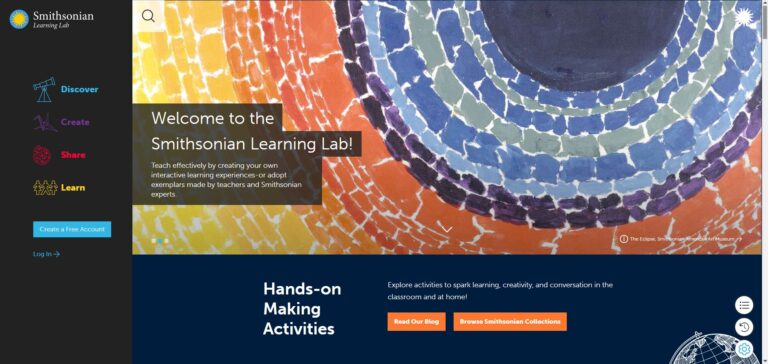
Learning Lab
Learning Lab, part of the Smithsonian Institution, is a dynamic online platform offering a wealth of educational resources. Dive into interactive learning experiences, leveraging the Smithsonian’s vast collections to inspire curiosity and creativity across diverse subjects.
- Category
- Education and Reference » K through 12
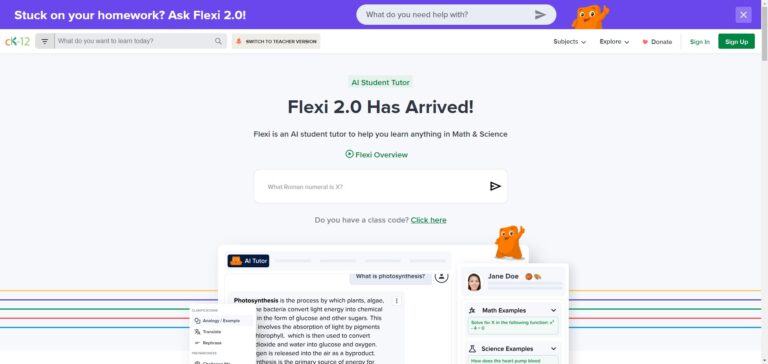
CK-12
CK-12 is a nonprofit organization that provides free online textbooks, lessons, and educational resources for students and teachers. The platform covers a wide range of subjects and grade levels, offering customizable and interactive content to support personalized learning.
- Category
- Education and Reference » Online Learning
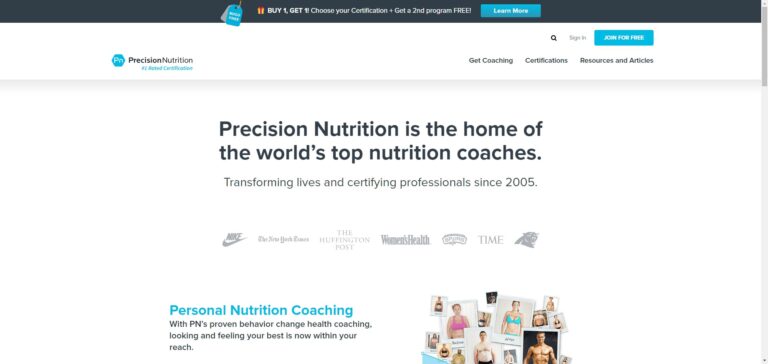
Precision Nutrition
Precision Nutrition focuses on providing evidence-based nutrition and fitness information. The website offers articles, guides, and resources to help individuals make informed choices about their diet and exercise routines. It also provides coaching programs for personalized health and fitness support.
- Category
- Health and Wellness » Nutrition
More Articles Like: Beyond the Textbook: How Education and Reference Shape What We Know

Signal, Spin, and Speed: Navigating News and Media in the Attention Economy
News and media shape what societies notice, debate, and ultimately do. Understanding how information is produced, distributed, and monetized helps readers separate reliable reporting from noise and manipulation.

Beyond the Checklist: Building Health and Wellness That Lasts
Health and wellness are more than avoiding illness—they’re daily habits that support your body, mind, and environment. This guide breaks down practical, sustainable ways to improve energy, resilience, and long-term well-being.

The Living Thread: Building a Home That Strengthens Family Life
Home and family shape each other every day through routines, spaces, and the way we handle conflict and care. This guide explores practical, human-centered ways to create a home environment that supports connection, responsibility, and belonging.
