
The Living Thread: Building a Strong Home and Family in a Busy World
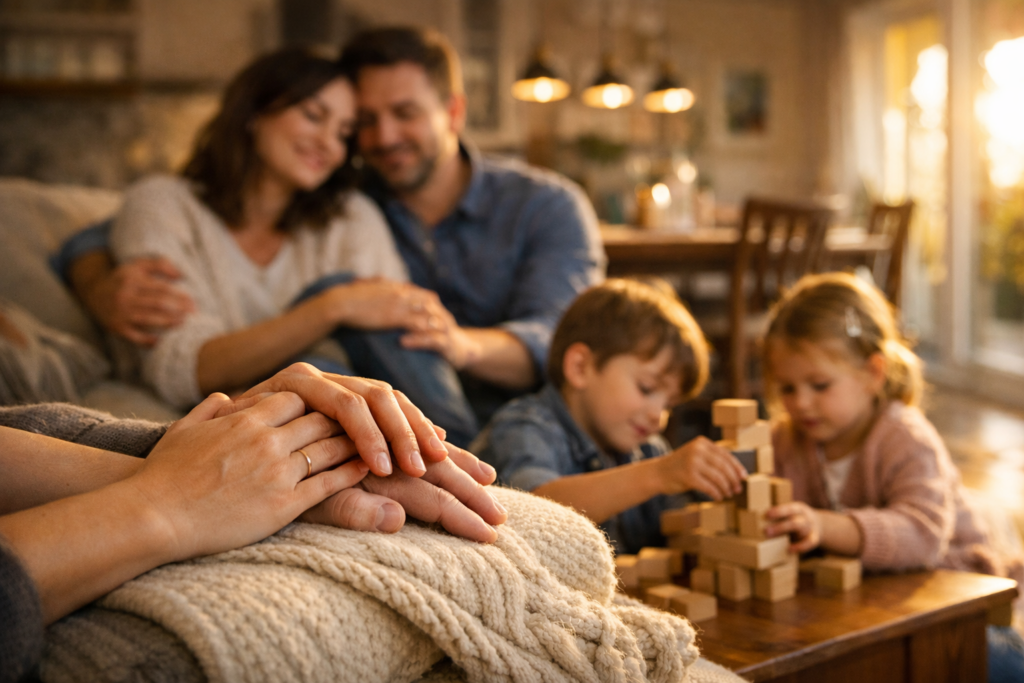
What “Home” Really Means
Home is often described as a place, but it functions more like an atmosphere. It is the environment where people feel seen, protected, and understood—where daily life can be imperfect without becoming unsafe. A strong home doesn’t require a large space, identical schedules, or constant harmony. It requires dependable signals: respectful communication, predictable care, and shared responsibility.
Family, similarly, is not defined only by structure. Whether a household includes two parents, one parent, multigenerational relatives, stepfamily, chosen family, or guardians, the core task is the same: to create a stable base from which each person can grow.
The Foundations of a Healthy Family Culture
1) Emotional safety
Emotional safety is the sense that you can speak, make mistakes, and ask for help without fear of ridicule or retaliation. It’s built through tone, consistency, and repair after conflict. A key marker of healthy families is not the absence of arguments, but the presence of reconciliation.
- Name feelings without judgment: “You seem disappointed” is more helpful than “You’re overreacting.”
- Separate behavior from identity: “That choice wasn’t okay” rather than “You’re irresponsible.”
- Model repair: Apologize clearly and briefly; don’t require the other person to comfort you.
2) Shared values, expressed as habits
Values become real when they show up in everyday routines. If a family values learning, there may be a habit of reading together or talking about what everyone discovered that day. If a family values kindness, there may be a standard for how people speak to each other, even when upset.
Consider choosing three “house values” and attaching them to visible behaviors. For example: respect (no insults), teamwork (everyone contributes), and rest (sleep is protected).
3) Boundaries that protect, not punish
Boundaries help families function smoothly. They clarify what is expected, what is negotiable, and what is not. Healthy boundaries are not about control; they are about making home predictable and fair. When boundaries are consistent, children and adults spend less energy guessing and more energy connecting.
- Time boundaries: device-free zones, bedtime routines, or a protected family meal.
- Space boundaries: knocking before entering rooms, designated quiet areas.
- Emotional boundaries: no yelling as a default communication style; taking breaks during conflict.
Routines: The Invisible Architecture of Home
Routines are not boring; they are stabilizing. They reduce decision fatigue and create reliable moments of togetherness. Even simple rituals—Friday night soup, Sunday laundry music, or a nightly two-minute check-in—can become anchor points during stressful seasons.
High-impact routines to consider
- Start-of-day touchpoint: a calm greeting, a quick plan review, or a shared breakfast item.
- After-school/after-work decompression: 10 minutes to unwind before discussing tasks and problems.
- One shared meal when possible: not for perfect nutrition, but for conversation and connection.
- Weekly family reset: review schedules, handle small repairs, plan one enjoyable activity.
The goal is not rigidity. A flexible routine is a safety net: it catches the family when life gets busy, not a rope that tightens when plans change.
Communication That Builds Connection
Many households talk all day and still feel disconnected. Connection grows when communication includes attention, curiosity, and follow-through. Practicing a few simple conversational habits can transform the emotional climate of a home.
Helpful communication practices
- Use “what” and “how” questions: “What was the best part of your day?” “How can I support you?”
- Reflect before solving: summarize what you heard before offering advice.
- Be specific with appreciation: “Thank you for unloading the dishwasher; it helped the evening run smoothly.”
- Keep conflict clean: one topic at a time; avoid sarcasm, threats, or bringing up old injuries.
When emotions run high, it can help to agree on a family rule: pause, breathe, and return to the conversation when everyone can speak respectfully. This teaches self-regulation and protects relationships.
Dividing Responsibilities Without Resentment
Household labor is one of the most common sources of friction. Resentment grows when work is invisible, uneven, or assumed. A fair system is rarely “equal every day,” but it should feel balanced over time and transparent to everyone.
Ways to make responsibility clearer
- List recurring tasks: cooking, dishes, laundry, school forms, appointments, pet care, emotional planning.
- Assign ownership, not just help: one person manages the full cycle of a task when possible.
- Match tasks to capacity: work schedules, energy levels, and ages change; adjust accordingly.
- Hold brief check-ins: a 10-minute weekly review prevents small frustrations from accumulating.
Children can participate meaningfully with age-appropriate chores. Contribution builds competence and belonging, especially when framed as teamwork rather than punishment.
Making Space for Individual Needs
A strong family supports togetherness and individuality at the same time. Each person needs room to rest, to have preferences, and to develop skills and friendships. When families honor individuality, they reduce power struggles and increase trust.
- Create personal corners: a desk, a reading chair, a hobby bin—small spaces signal respect for selfhood.
- Schedule one-on-one time: even 15 minutes of focused attention can deepen relationships.
- Normalize differing temperaments: some people recharge in quiet; others recharge with activity.
Home as a Place of Growth
Every family will face seasons of stress: job changes, school challenges, health issues, grief, or conflict. The aim is not to avoid hardship but to develop resilience—skills that help the household adapt without breaking connection. Resilience looks like asking for help early, keeping basic routines, and remembering that problems are shared challenges rather than personal failures.
Ultimately, a healthy home is built the way trust is built: slowly, through repeated acts of care. When family members know they matter, when responsibilities are shared, and when repair is practiced after mistakes, the home becomes more than shelter. It becomes a steady place to return to—again and again.
Listings Related to the Article: The Living Thread: Building a Strong Home and Family in a Busy World

Free Workout Logger, Tracker and Planner App
Gym Log Track is a simple workout logger designed for effortless planning, tracking, and logging of workouts, exercises, routines, and client progress, all in one simple app.
- Category
- Health and Wellness » Fitness

Russell & Russell Solicitors
Are you in need of seasoned family law solicitors in Bolton? Your search ends here with Russell & Russell Solicitors, renowned for their successful track record in managing family law cases.
- Category
- Business and Finance » Lawyers and Law Firms » Family Law

Precision Nutrition
Precision Nutrition focuses on providing evidence-based nutrition and fitness information. The website offers articles, guides, and resources to help individuals make informed choices about their diet and exercise routines. It also provides coaching programs for personalized health and fitness support.
- Category
- Health and Wellness » Nutrition
More Articles Like: The Living Thread: Building a Strong Home and Family in a Busy World

Signal, Spin, and Speed: Navigating News and Media in the Attention Economy
News and media shape what societies notice, debate, and ultimately do. Understanding how information is produced, distributed, and monetized helps readers separate reliable reporting from noise and manipulation.

Cart to Closet: Smarter Shopping Habits for a More Personal Style
Shopping and fashion are easier—and more satisfying—when you focus on fit, versatility, and intentional choices rather than constant trends. This guide breaks down how to buy better, build outfits faster, and keep your wardrobe working for you.

Beyond the Checklist: Building Health and Wellness That Lasts
Health and wellness are more than avoiding illness—they’re daily habits that support your body, mind, and environment. This guide breaks down practical, sustainable ways to improve energy, resilience, and long-term well-being.
