
Play, Move, Thrive: A Modern Guide to Sports and Recreation
Why Sports and Recreation Matter
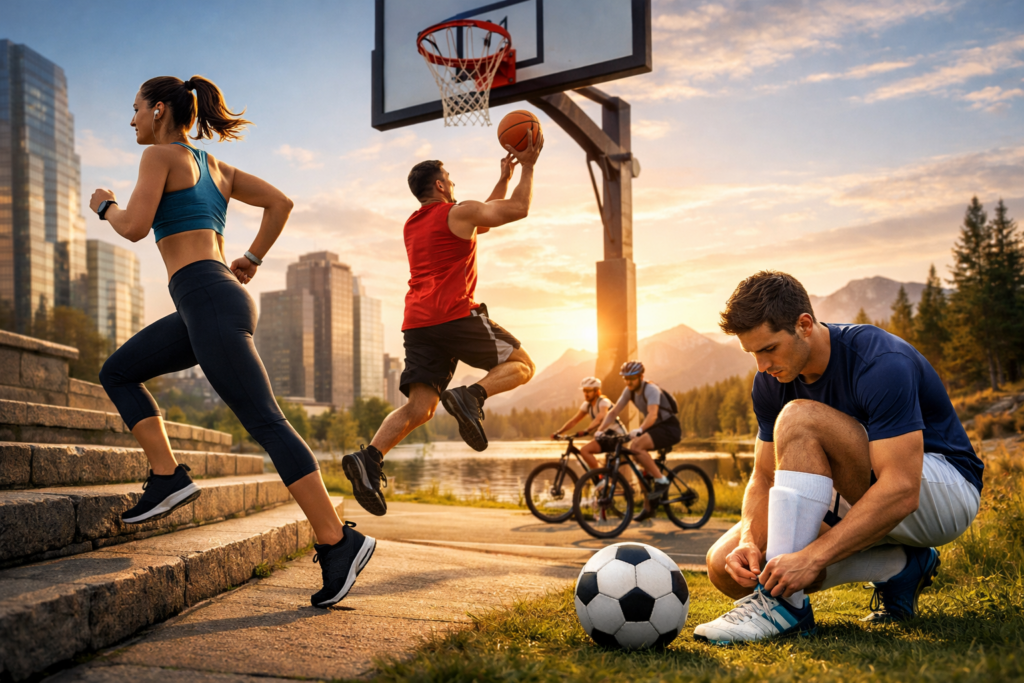
Sports and recreation are more than ways to “stay busy.” They are structured and unstructured forms of movement that help people build health, confidence, friendships, and resilience. “Sports” often implies organized competition with rules, teams, coaching, or leagues—think basketball, swimming, or tennis. “Recreation” is broader and can be casual, self-paced, and social, such as hiking, cycling for fun, dance classes, or pickup games at the park.
Both serve a similar purpose: they create opportunities to move regularly, practice skills, and experience enjoyment. In a world of long workdays and screen-heavy routines, sports and recreation provide a practical counterbalance that supports physical fitness while also improving mood and daily energy.
Core Benefits: Body, Mind, and Community
Physical health and performance
Regular participation improves cardiovascular fitness, muscular strength, coordination, and mobility. Many sports develop agility and reaction time, while recreational activities like walking, yoga, or paddleboarding can support joint health and reduce stiffness. Over time, consistent activity can help manage body weight, stabilize blood pressure, and improve sleep quality—especially when paired with adequate recovery.
Mental well-being and stress relief
Movement helps regulate stress by reducing tension and supporting healthier patterns of rest. Sports also encourage goal-setting and focus: learning a new stroke in swimming, mastering a layup, or completing a longer trail each week gives the brain a clear, motivating target. For many people, the social aspect is equally powerful—friendly competition and shared progress can reduce feelings of isolation.
Social connection and belonging
Teams, clubs, and recreation centers are natural meeting points. A weekly volleyball league or a Saturday morning run group can become a dependable “third place” outside home and work. These networks can strengthen community ties and provide mentorship, particularly for youth programs where coaches and older players model teamwork, discipline, and sportsmanship.
Different Ways to Participate
Competitive sports
Competitive formats include school athletics, local leagues, tournaments, and club teams. They often involve regular practices, skill development, performance tracking, and structured seasons. This environment can be motivating for people who enjoy measurable progress and the excitement of competition.
Recreational and social play
Recreational participation prioritizes fun, flexibility, and community. Pickup soccer, casual badminton, skating at a local rink, or group fitness classes fall into this category. The lower pressure can make it easier to stay consistent, especially for beginners or those returning after time off.
Outdoor recreation
Outdoor activities offer both movement and a change of scenery. Hiking, kayaking, climbing, and trail running build fitness while also improving attention and mood through time spent in nature. Many outdoor hobbies can scale from beginner to advanced with the right preparation and safety habits.
Choosing the Right Activity for Your Lifestyle
The best sport or recreational habit is one you can do consistently. A perfect program on paper won’t help if it’s inconvenient, too expensive, or unenjoyable. Consider your schedule, access to facilities, current fitness level, and what you find genuinely engaging.
- If you like structure: try martial arts, swimming, or a coached running plan.
- If you like variety: mix cycling, strength training, and occasional team games.
- If you want low-impact options: choose rowing, walking groups, yoga, or water aerobics.
- If you want social connection: join a local league, climbing gym, or community center class.
It also helps to match intensity to your current capacity. Starting too hard is a common reason people quit. Aim for a pace that feels challenging but sustainable, then build gradually.
Safety, Recovery, and Long-Term Enjoyment
Staying active long-term depends on staying healthy. Most injuries come from abrupt increases in volume or intensity, poor technique, or insufficient rest. A few habits dramatically reduce risk while improving performance.
- Warm up: 5–10 minutes of light movement plus sport-specific drills prepares muscles and joints.
- Progress gradually: increase time, distance, or load in small steps so tissues can adapt.
- Learn technique: coaching, classes, or even a short skills clinic can prevent repetitive strain.
- Prioritize recovery: sleep, hydration, and rest days are part of training, not a break from it.
- Use the right gear: supportive footwear, properly fitted helmets, and weather-appropriate clothing matter.
Equally important is listening to early warning signs. Persistent pain, swelling, or sharp discomfort is a signal to reduce intensity, adjust form, or consult a professional. Consistency beats intensity when the goal is lifelong activity.
Accessibility and Inclusion: Making Movement Possible for More People
Sports and recreation thrive when participation is open to a wide range of ages, abilities, and backgrounds. Community design plays a role—safe sidewalks, parks, lighting, and affordable facilities can transform how often people move. Inclusive programs also matter: adaptive sports, sliding-scale membership fees, and beginner-friendly sessions reduce barriers.
For individuals, inclusion can be as simple as choosing welcoming environments. Look for programs that offer skill-level groupings, clear codes of conduct, and supportive coaching. For organizers, small changes—like offering multiple time slots, providing equipment loans, or creating “no-tryout” leagues—can significantly widen access.
Practical Ideas to Get Started This Week
You don’t need an elaborate plan to begin. Start with one activity you can repeat weekly, then add variety once the habit feels stable.
- Schedule one session: block 30–60 minutes for a walk, swim, class, or game.
- Find a partner or group: accountability and shared effort make routines stick.
- Set a simple goal: for example, “play twice a week for a month” or “learn one new skill.”
- Track how you feel: energy, mood, and sleep improvements are powerful motivators.
- Make it convenient: choose nearby locations and prep gear the night before.
Over time, sports and recreation become more than activities—they become part of identity. Whether you’re chasing a personal best, joining friends for a casual match, or exploring new trails, the consistent thread is movement with purpose. That purpose can be competition, health, community, or simple joy—and it’s available to anyone willing to start.
Listings Related to the Article: Play, Move, Thrive: A Modern Guide to Sports and Recreation
Sierra Care
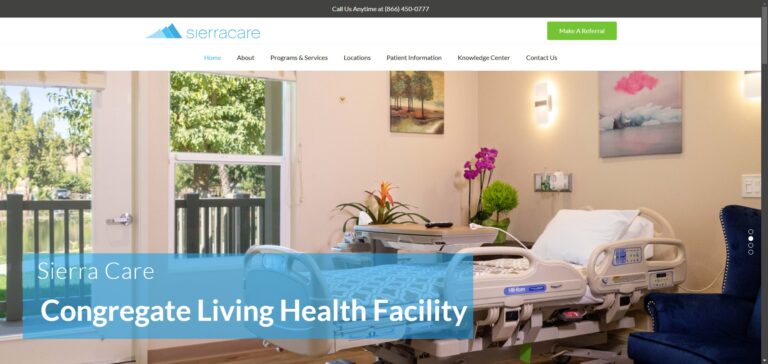
Sierra Care is California’s leading 24-hour congregate living health facility (CLHF), specializing in subacute care for patients with spinal cord injuries, traumatic brain injuries, pulmonary disease, neuromuscular conditions, congenital conditions, and other medically complex conditions.
- Category
- Health and Wellness » Medicine
Precision Nutrition
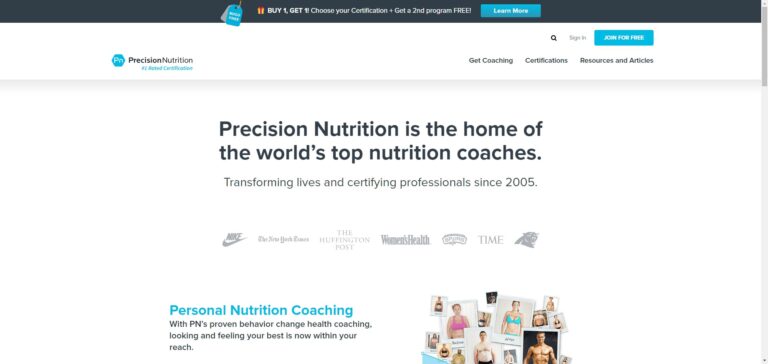
Precision Nutrition focuses on providing evidence-based nutrition and fitness information. The website offers articles, guides, and resources to help individuals make informed choices about their diet and exercise routines. It also provides coaching programs for personalized health and fitness support.
- Category
- Health and Wellness » Nutrition
More Articles Like: Play, Move, Thrive: A Modern Guide to Sports and Recreation

From Cash Flow to Confidence: Navigating Modern Business and Finance
Business and finance are inseparable disciplines that determine how organizations grow, survive shocks, and create long-term value. This article explains core financial concepts, practical decision tools, and common pitfalls for leaders and entrepreneurs.

From Cash Flow to Capital: A Practical Map of Modern Business and Finance
Business and finance work best when strategy and numbers reinforce each other: finance measures reality, while business decisions shape it. This guide explains core concepts—cash flow, profit, capital, risk, and performance metrics—in a practical, decision-focused way.
Beyond the Checklist: Building Health and Wellness That Lasts
Health and wellness are more than avoiding illness—they’re daily habits that support your body, mind, and environment. This guide breaks down practical, sustainable ways to improve energy, resilience, and long-term well-being.
